








Skin Camouflage & Areola Reconstruction Pigments
Two procedures, one collection — skin camouflage tattooing and areola reconstruction both depend on the same core requirement: matching human skin accurately. A pigment that reads slightly wrong under studio lighting looks obviously wrong in natural light. This collection stocks 78 skin-matched pigments across seven brands specifically chosen for camouflage and reconstruction work — skin tones, correctors, and neutrals that give artists the range to match any client accurately, not approximately.
Skin Tone Pigments
World Famous has the deepest bench of skin tone shades in this collection — 27 products covering everything from Portrait White and Swiss Skin for very fair complexions, through mid-range tones like Mona Lisa Skin, Van Gogh Tan, and Taj Mahal, to deeper tones in the Pink Ribbon line (Fair Peach, Warm Peach, Warm Mink, Tan Mink). The 4-Bottle Maks Kornev Pink Skintone Set is a practical starting point for artists doing high-volume camouflage work — a curated four-shade system that handles the majority of lighter skin tone requests without custom mixing from scratch.
Radiant contributes three essential shades: Pale Flesh, Flesh, and Bamboo. These sit in the lighter-to-mid range and are reliable for areola work because they hold neutral without pulling pink or orange as they heal — which matters significantly when you're reconstructing post-mastectomy.
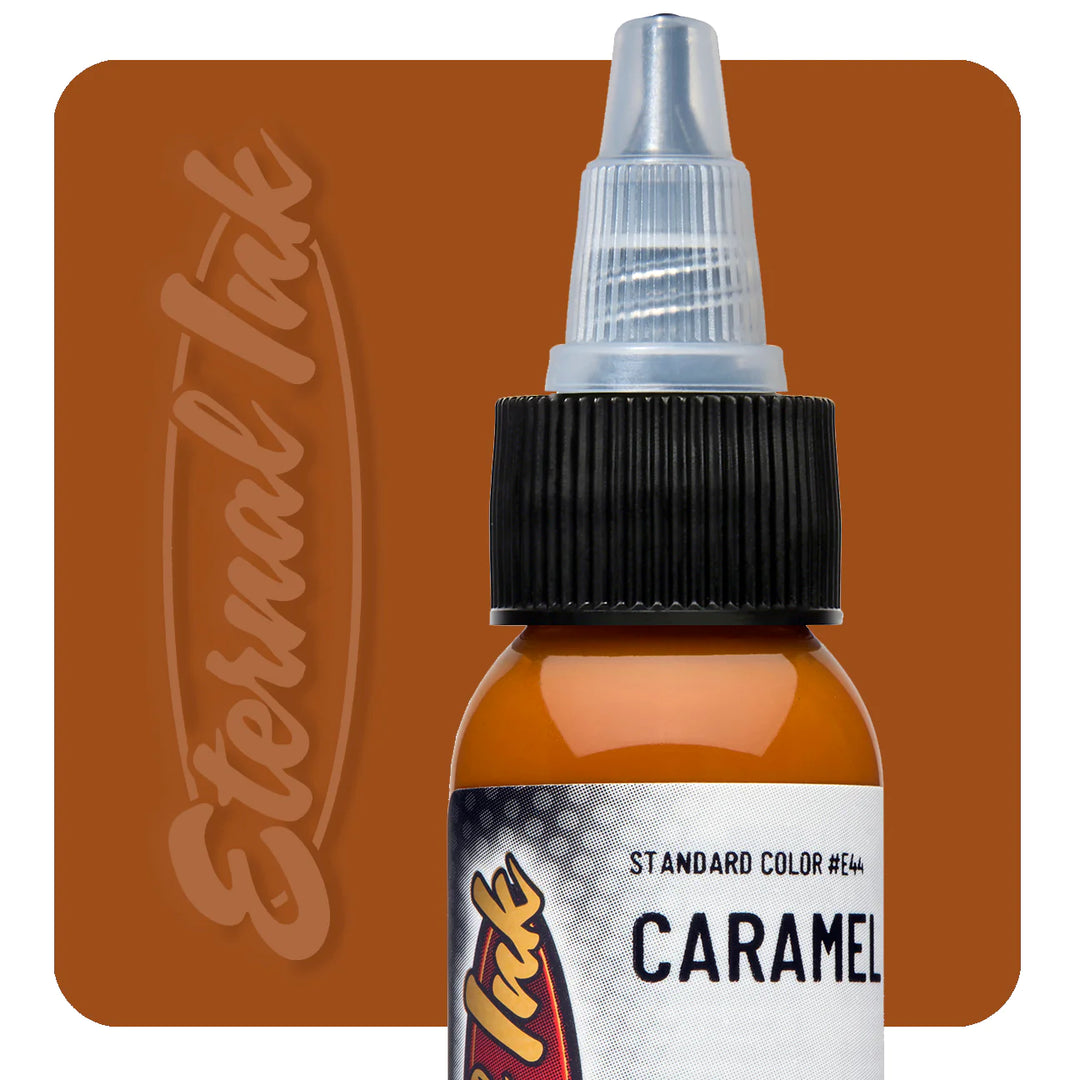
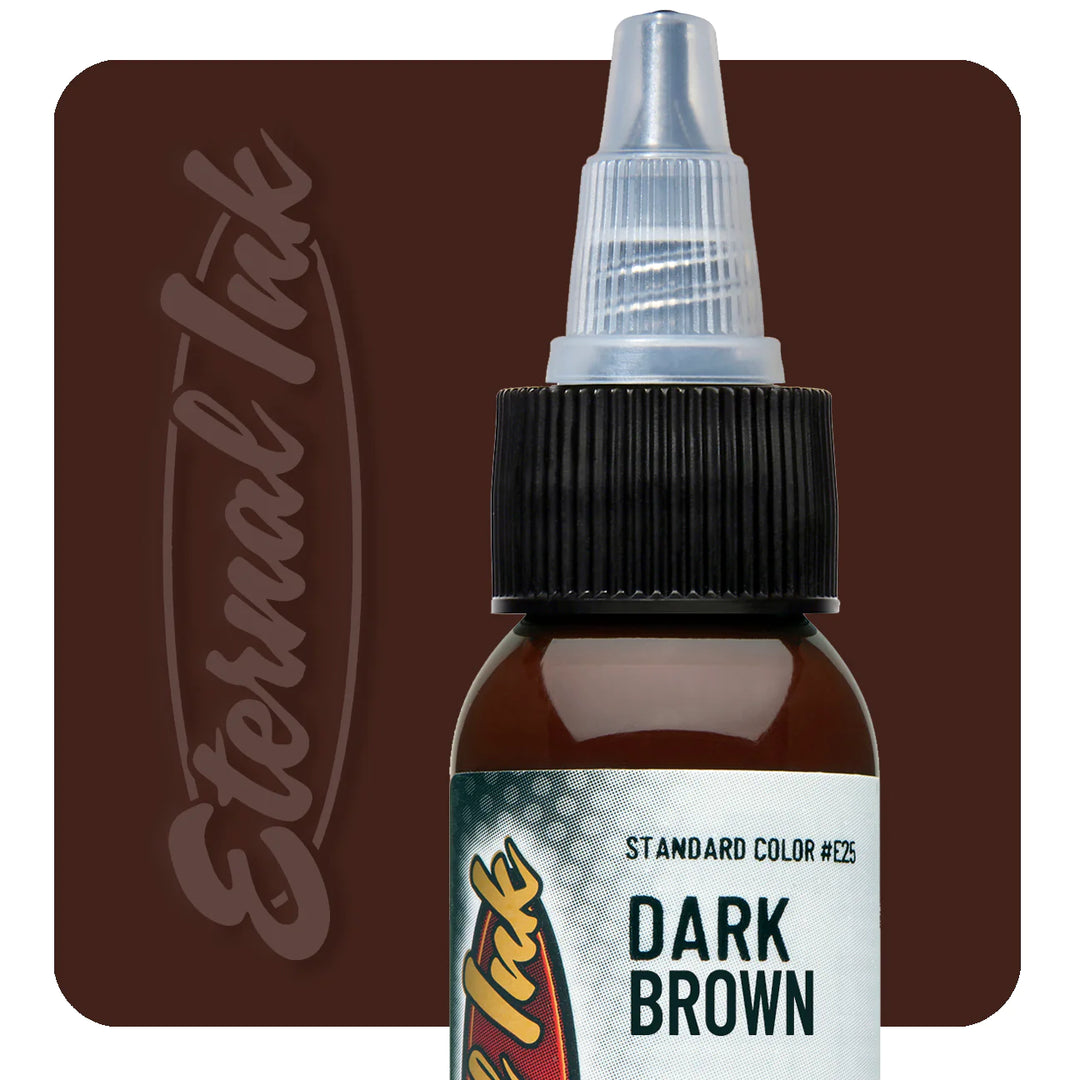
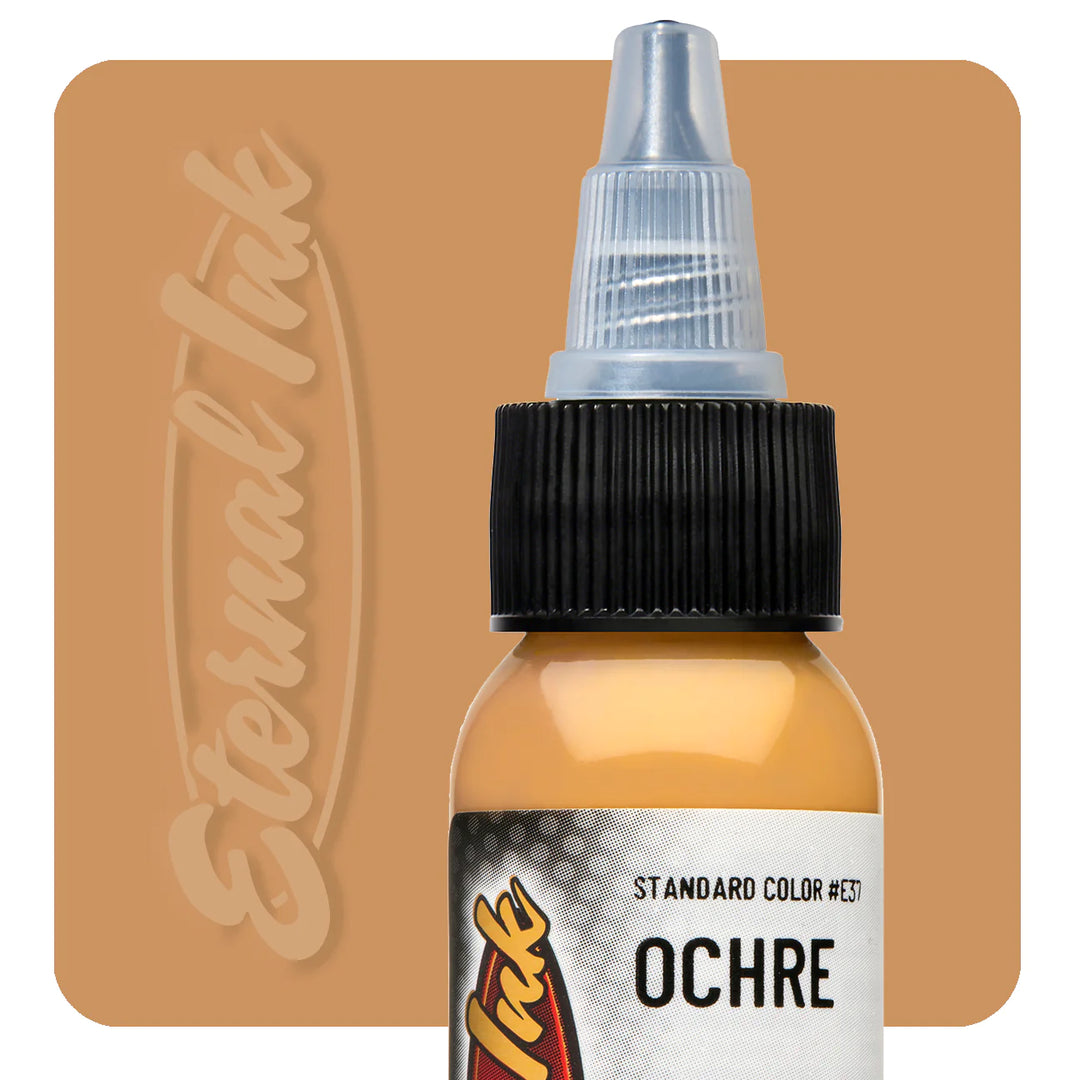
Eternal rounds out the warm tones — Caramel, Brown, Dark Brown, and Ochre. For deeper skin tone camouflage and clients where warm undertone matching is the priority, these give you a consistent foundation to mix from.
Solid Ink adds Dulce De Leche, Chocolate, and Brown — mid-to-deep skin tone coverage that crosses over between camouflage and decorative tattoo work.
Corrector Pigments
Perma Blend's Camouflage and Olive Corrector are not skin tone pigments — they're neutralising formulas used to correct shifted or discoloured skin before re-pigmenting. If you're working over scarring that has healed with an unnatural redness, bluish undertone, or grey-purple discolouration, a corrector pass goes first. Perma Blend's formulas are among the most-used in professional camouflage work for exactly this reason. Biotek and Draiff also carry corrector and camouflage-specific formulas in this collection — 10 products each — for artists who want more options in the neutralising step.
What to Know When Choosing a Skin Camouflage Pigment
Skin camouflage and areola reconstruction sit at the technical end of PMU work. The margin for error is smaller than brows or lips — a bad eyeliner procedure can be corrected, but a camouflage result that doesn't match is visible every time the client looks in a mirror. A few things that drive every pigment decision in this category:
Skin tones shift under different light sources. A match that looks right in fluorescent studio lighting may read differently outdoors. Artists working in camouflage do test patches specifically to evaluate the healed result in natural light, not just immediately after implanting.
Scar tissue behaves differently from intact skin. It's denser, less vascular, and holds pigment inconsistently — some areas will take and hold, others will reject or fade faster. Most experienced camouflage artists plan for multiple sessions rather than trying to achieve a perfect match on the first visit.
Areola reconstruction post-mastectomy adds another layer — the goal isn't just colour matching but three-dimensional realism. Darker shades at the outer edge, lighter towards the centre, and detailed stippling work to create depth. Having a broad palette available — including both warm and neutral skin tones and a true white for highlight work — is what separates a convincing result from a flat one.
NOS AVIS
Approuvé depuis plus de 15 ans par plus de 20 000 clients satisfaits !