





NOS AVIS
Approuvé depuis plus de 15 ans par plus de 20 000 clients satisfaits !


Approuvé depuis plus de 15 ans par plus de 20 000 clients satisfaits !
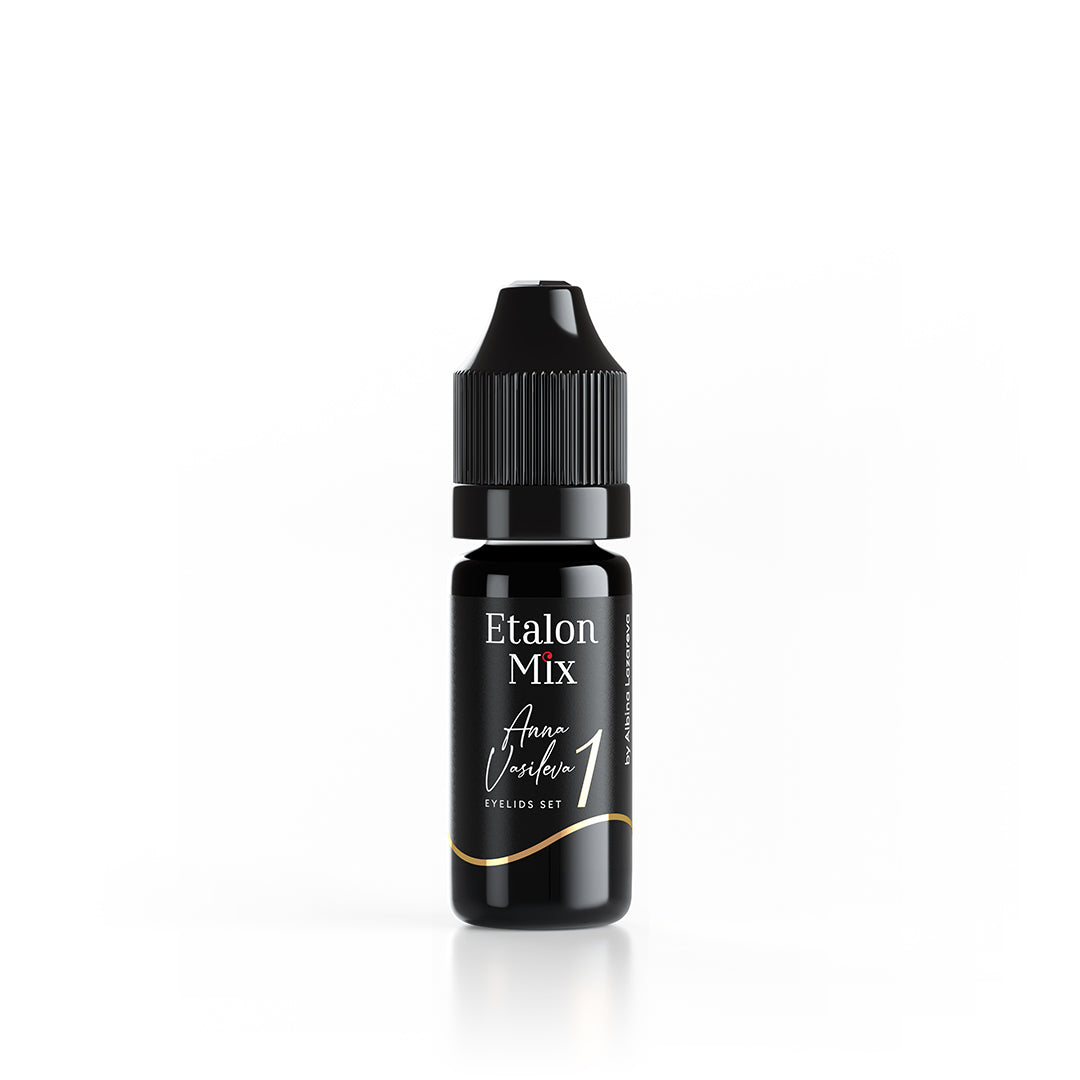
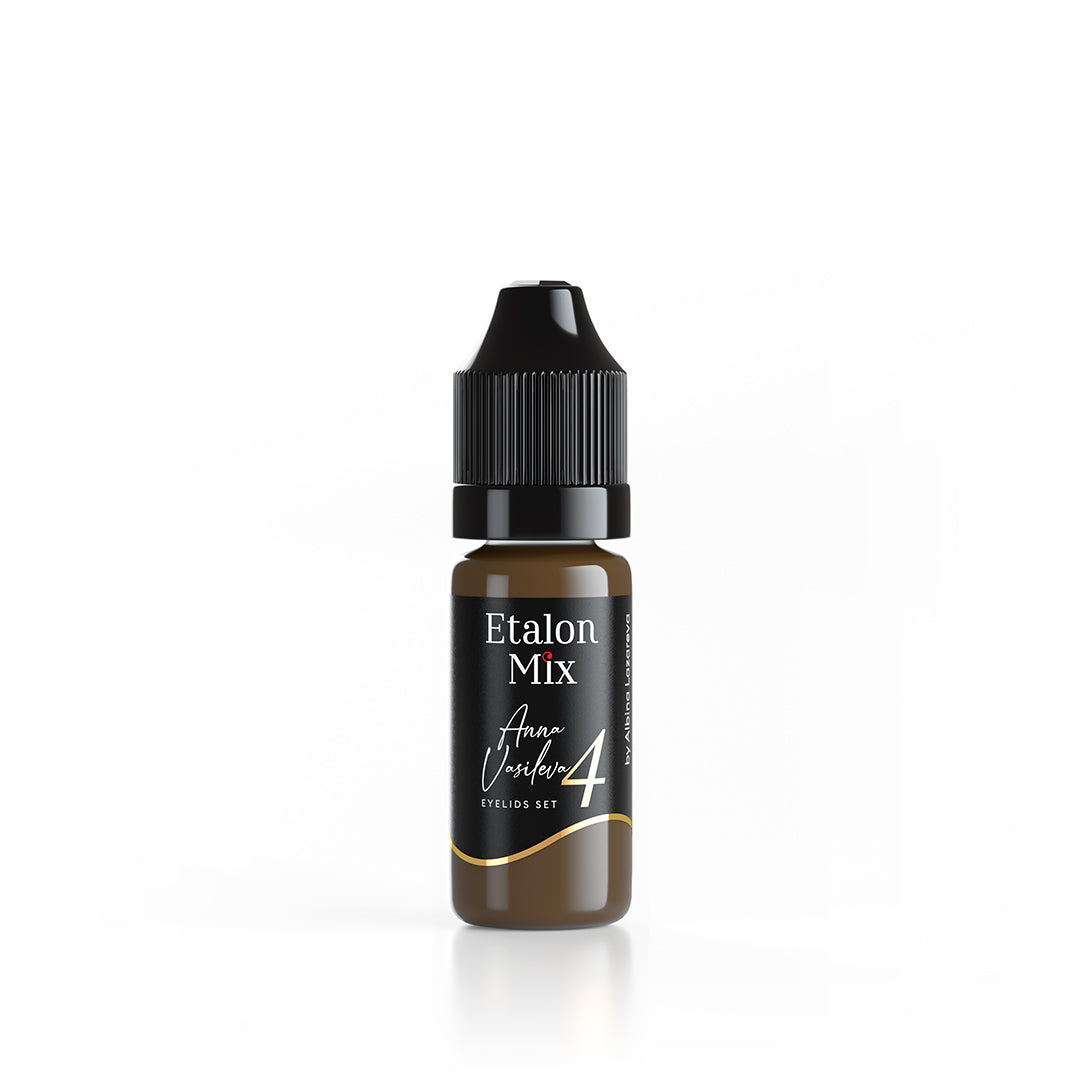
Because that's what the procedure actually calls for in the vast majority of cases. Permanent eyeliner is a definition procedure — clients come in wanting a clean, precise line that frames the eye. Black, warm black, and blackish brown cover somewhere around 95% of all eyeliner requests. The variation within that narrow range matters more than most new artists expect — a cold black heals flat and harsh on some skin tones, a warm black adds just enough undertone warmth that the result looks intentional rather than faded. Blackish brown is the shade most artists reach for on mature clients or anyone who wants a softer result that reads as definition rather than a sharp liner. The one exception in this collection is Etalon Mix Gold — used for coloured liner work or mixed in small amounts to warm up a black for clients where straight black sits too stark against their colouring.
Both are permanent eyeliner pigments from Perma Blend but they serve different results. Eyeliner Black is the neutral, clean black most artists use as their default — it implants consistently, heals true, and works across a wide range of skin tones and liner styles. Double Black is a denser, higher-saturation formula — more pigment load per drop, deeper colour payoff, and a result that holds more depth through the fade cycle. Artists reach for Double Black when a client specifically wants a dramatic, sharp liner that stays bold rather than softening over time. For most natural lash enhancement or soft liner work, Eyeliner Black is the right call. For a client who wants visible definition from across the room, Double Black is the one.
Migration on eyeliner procedures usually comes down to three things — implant depth, pigment viscosity, and technique speed. Going too shallow and the pigment sits in the superficial layers of the lid where it spreads laterally. Going too deep pushes pigment into the dermis where it diffuses. The sweet spot on eyelid skin is shallower than most artists trained on brow or lip work expect. Viscosity matters because thicker pigments are harder to control on thin lid skin — they can flood an area before you've finished the pass. Working slower and building saturation across multiple passes rather than loading the pigment on the first pass gives you significantly more control over where the colour actually sits. Proper client aftercare in the first week — no rubbing, no oil-based products near the eye, keeping the area dry — also plays a bigger role in preventing spread on eyeliner than on any other PMU procedure.
A corrector pigment is a neutralising formula used before re-pigmenting a healed eyeliner procedure that has shifted colour — typically going blue, green, or purple as the original pigment breaks down unevenly. The Draiff Mix Corrector Eyelids Black in this collection is specifically formulated for eyelid skin. The corrector goes in first to neutralise the unwanted undertone, the skin heals, and then you re-pigment over the top with the target colour. Skipping the correction step and going straight over shifted pigment with a new black usually produces a muddy, layered result that looks worse than the original. Correction work on eyeliner is technically demanding — the skin has already been through at least one procedure, healing is less predictable, and the margin for error on thin lid skin is smaller than anywhere else in PMU.
Permanent eyeliner typically lasts between 12 and 24 months before a touch-up is needed, though eyelid skin fades pigment faster than brow or lip skin in most clients. The constant movement of the eyelid, natural oil production, and exposure to eye products all accelerate breakdown. Clients who use oil-based makeup remover near the eye area see faster fading — it's one of the most important aftercare points to communicate before the procedure. PMU-specific formulas like Perma Blend and Biotek hold their colour tone through the fade rather than shifting to an unwanted hue, which is the main practical advantage over using standard tattoo inks for eyeliner work. Most artists recommend a touch-up at 12 months to maintain definition before the colour gets too light to top up cleanly.
Recevez des mises à jour sur les remises et les offres
Libérez votre potentiel d'encre crédible avec nos fournitures de tatouage exclusives !
Inscrivez-vous à notre newsletter pour recevoir les dernières nouvelles, offres et améliorez votre talent artistique dès aujourd'hui !