





Lip Blush Pigments for Every Technique and Skin Tone
Lip blush results live and die by the pigment. The wrong formula goes grey on cool skin tones, pulls orange on warm ones, or fades uneven after the first touch-up. 140+ lip pigments, nine brands — stocked because working artists order them repeatedly, not because a distributor pitched them hard.
Perma Blend is the go-to for dedicated PMU lip work. Heal true, hold colour through the fade cycle, mix without going muddy — that's what makes them the default for artists who can't afford a bad healer on a lip procedure. If you do lip blush full-time, Perma Blend is the shelf staple.
World Famous has 30 shades in here — the widest bench of any brand in the collection. Sheer pinks like Prince Albert Pink and Bali Pink for aquarelle and natural blush work, deep reds like Big Apple Red and Sailor Jerry Red when a client wants full lip colour or a defined liner. The Blush line specifically (Aileen Wuornos Blush, Oleg Blush) has become a reliable choice for artists who want a soft, flushed result that heals predictably.
Biotek and Etalon Mix are built exclusively for PMU — the particle size, the carrier solution, the viscosity — all dialled for facial skin. Not repurposed body ink rebranded for the cosmetic tattoo market.
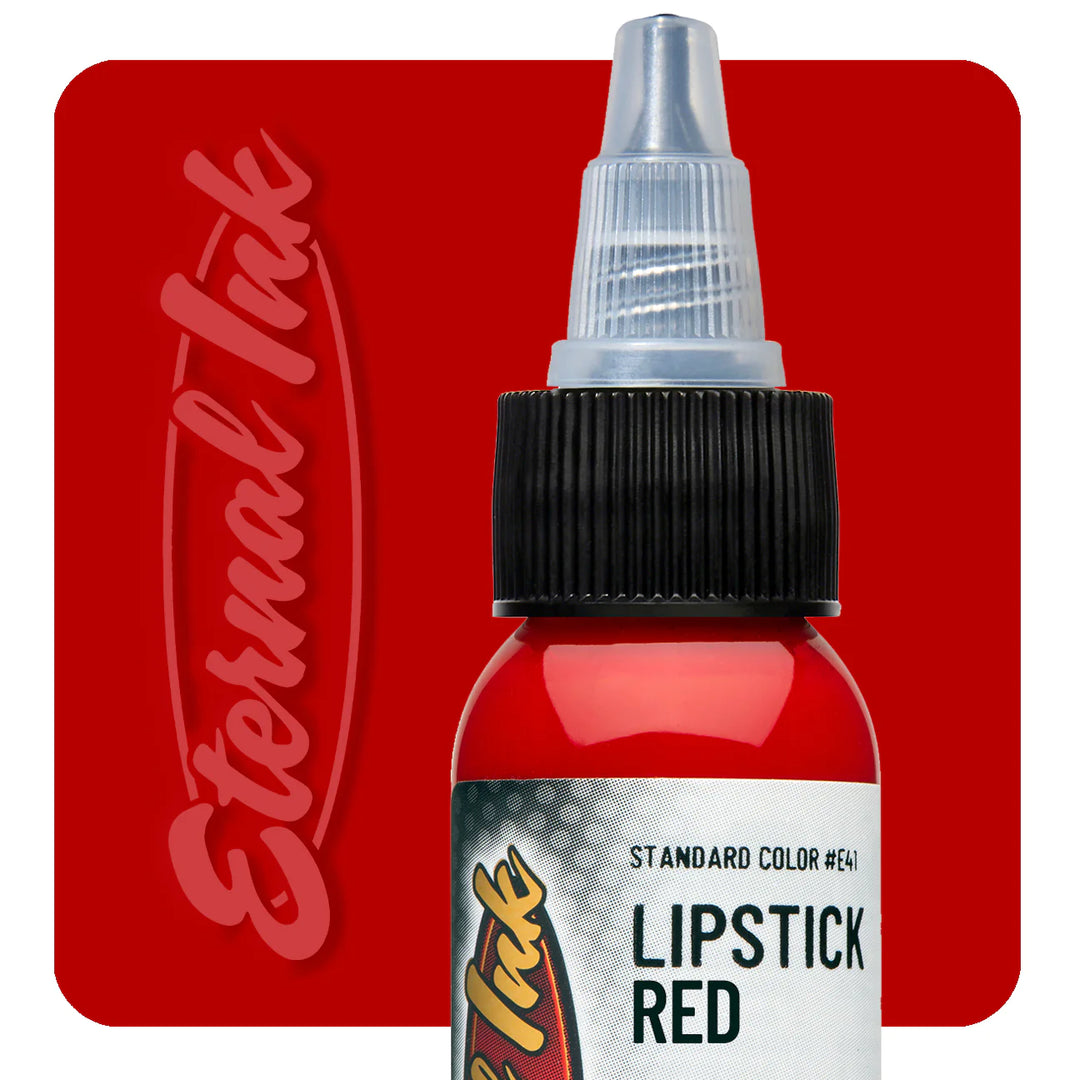
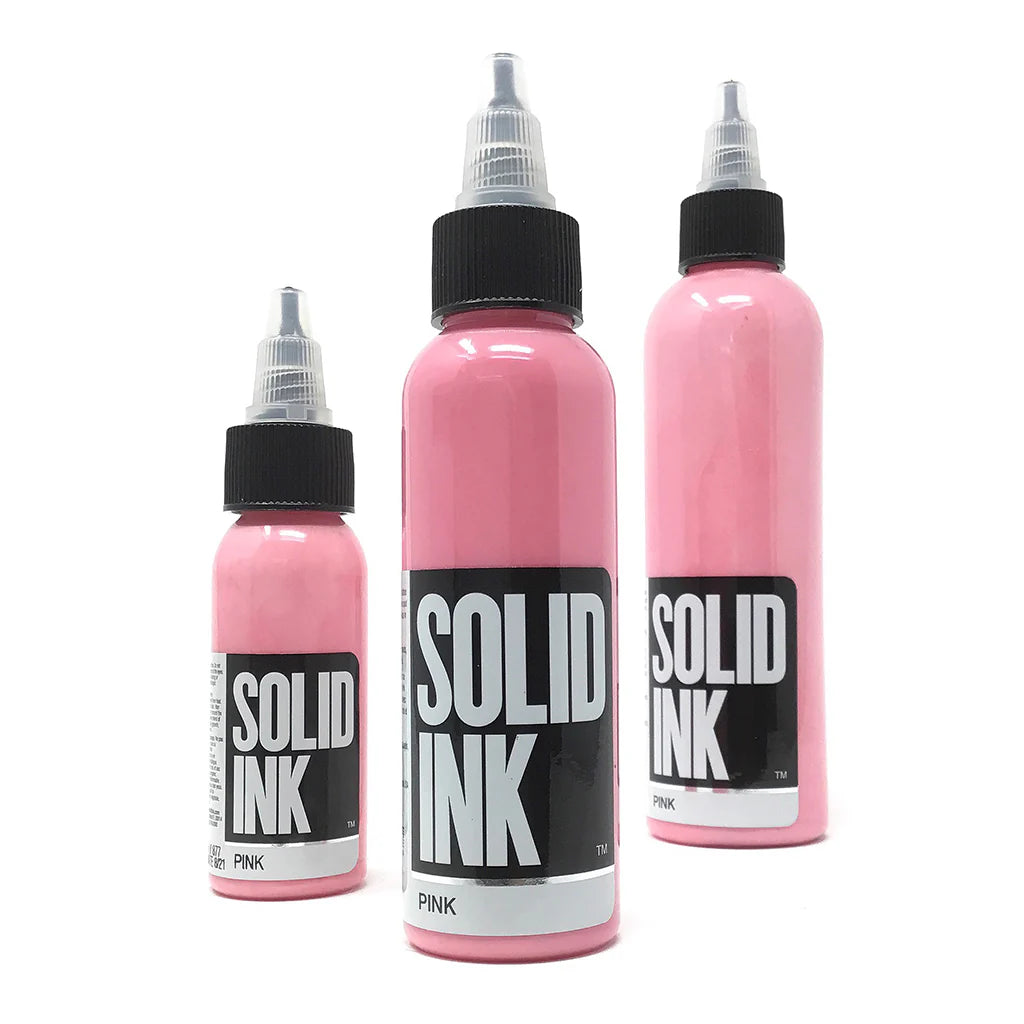
Eternal, Radiant, and Solid Ink cover the reds, pinks, and corals that work across both lip blush and decorative lip tattoo work — artists who do both styles pull from these regularly. Radiant Blood Red and Eternal Lipstick Red are two of the most consistent reds in the collection for artists doing bold lip liner or full saturated lip colour.
Draiff and Evenflo fill out the nude and blush end of the palette — useful when you need a lighter base shade or a mixing colour that won't push the final result too pink or too red.
What to Look for When Choosing a Lip Blush Pigment
Lip skin is thinner and more vascular than brow skin — the pigment implants differently, the heal is faster, and the fade is less predictable if you're using a formula not built for that environment. A few things to keep in mind when pulling shades for a procedure:
Warm-toned clients can handle more coral and peach. Cool-toned clients need pigments with a clean pink or berry base or the result heals muddy. For aquarelle lips, go lighter than you think — the technique naturally intensifies during healing. For full lip colour, you have more room to saturate, but going in too heavy on the first session is still the most common mistake.
Custom mixing is standard practice for most experienced lip artists. Having a deep bench of shades from consistent brands — rather than a single signature colour — is what lets you match every client accurately.
NOS AVIS
Approuvé depuis plus de 15 ans par plus de 20 000 clients satisfaits !